Known for its history, culture, and natural beauty, Transylvania is an idyllic region full of fascinating stories waiting to be discovered. From well-preserved medieval villages and cities with fortified citadels and charismatic castles, the awe-inspiring scenery can have an almost surreal atmosphere.
Amongst the most remarkable sights in Transylvania, you can discover beautiful relics that have survived through centuries, and live on to inspire the curious eyes of many a traveller as they explore their secret corridors and hidden passageways.
Some, perched on mountain tops and some hidden by surrounding encircling forests, these iconic structures deserve to be on your must-see list on your next trip to Romania. Here’s our pick of the five remarkable castles in Transylvania.
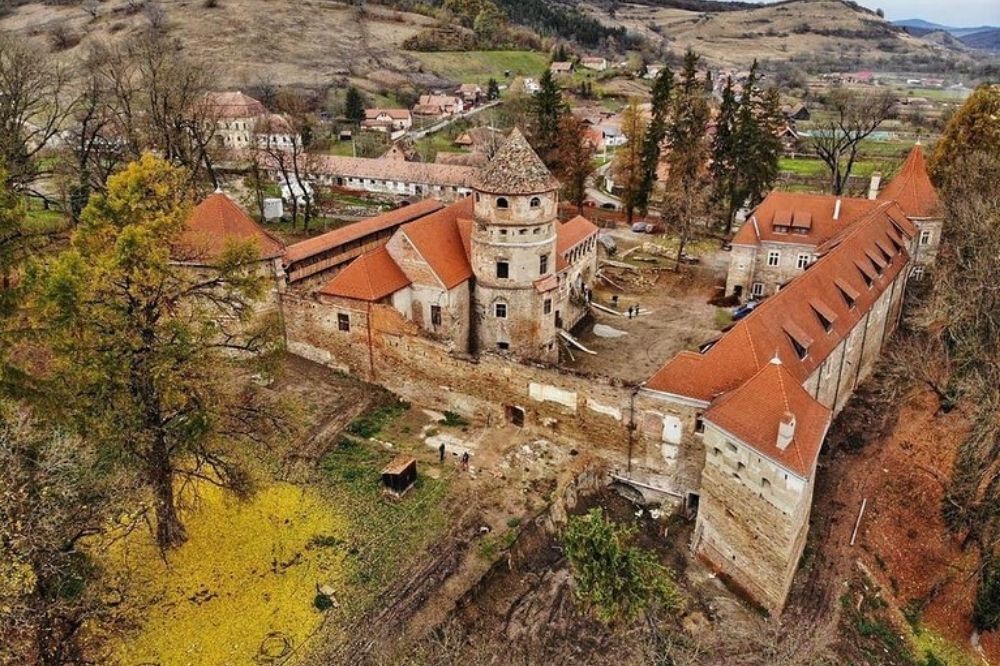
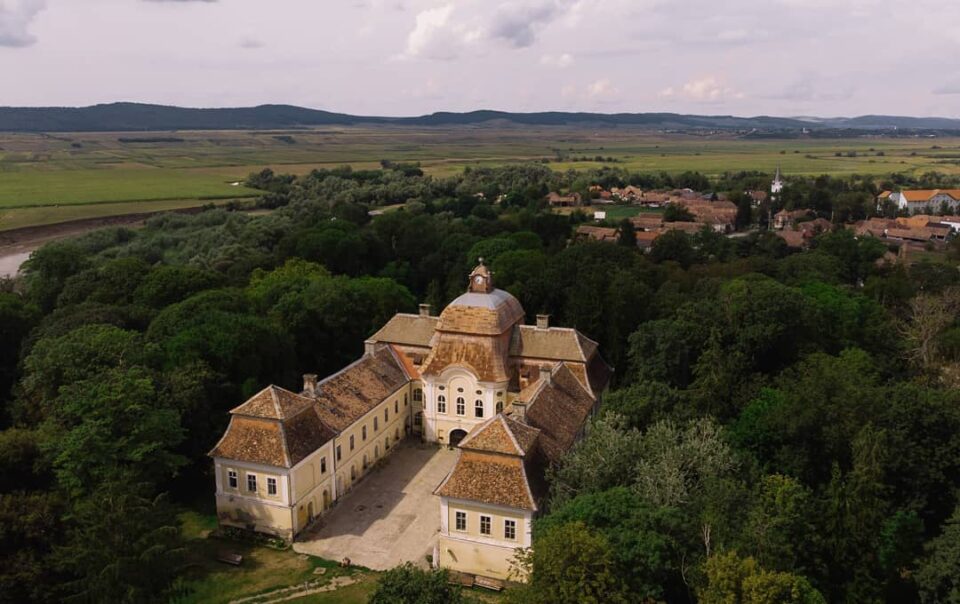
Considered to be the most charming Renaissance castle in Romania, the Bethlen castle was built between the 14th and 18th centuries in the village of Criș, Mures County. The fortified enclosure with mullioned windows is assembled in a square plan, with circular bastions and a tower, a structure that is characteristic of late medieval defensive architecture.
Featuring an imposing circular tower (Archer tower), plaster figures of soldiers, and an impressive wooden winding staircase made from oak, the castle is infused in historic magnificence.
The Bethlen family’s emblem can be observed on the exterior and interior walls, as well as on the vaulted ceilings along with the traces of medieval frescoes.
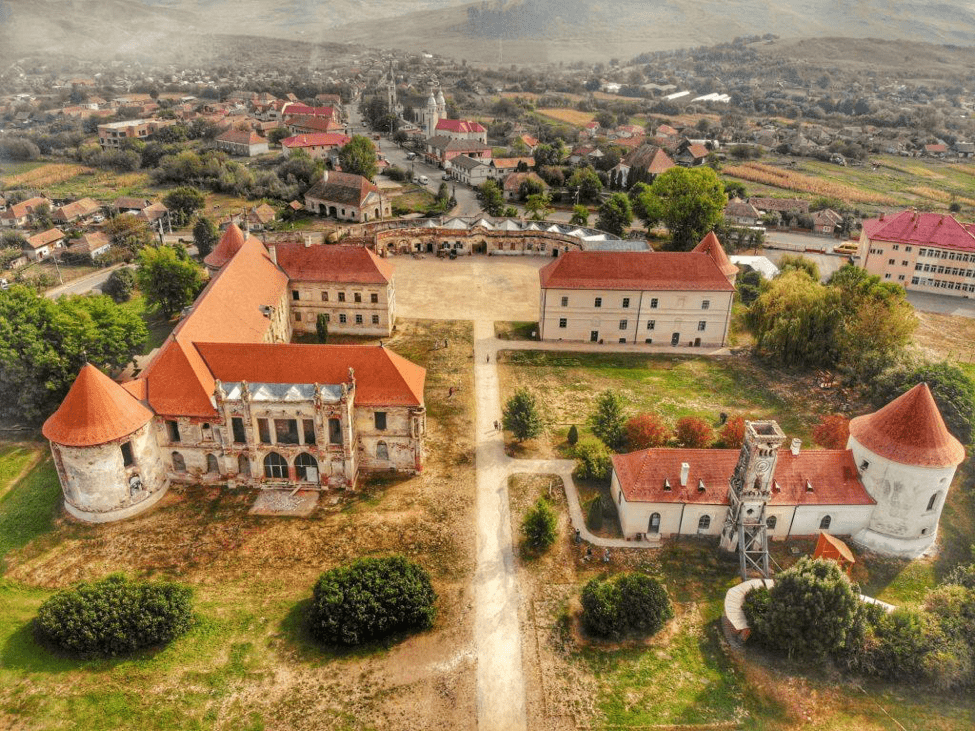
Also known as the “Versailles of Transylvania” due to its luxuriant gardens, Banffy Castle is a complex architectural ensemble first documented around the 1640s. Its construction started in the 16th century and was finished around the mid 19th century. Upon first glance at the magnificent structure, you may notice different architectural styles reflecting the periods of its construction.
Heritage of the Hungarian Bánffy family, the ensemble features various periods reflected in the architectural style, from Renaissance and Baroque influences to Rococo, Classicist, and Neo-Gothic features, making it a top attraction for Romania luxury holidays.
Fast forward to today, the castle has been the home of Electric Castle, one of the largest music festivals in Romania, bringing together more than 150.000 people every year since its debut in 2013.
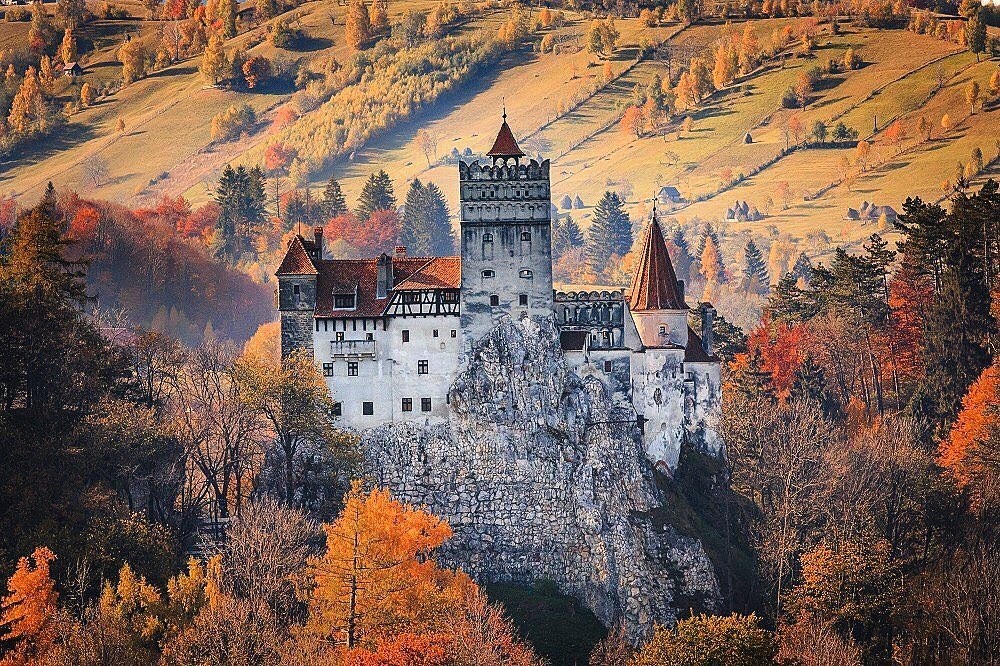
On the same spot where the Teutonic Order built a wooden castle around 1212, more than 160 years later, the Kronstadt Saxons received the right to build a stone castle that would help defend them against the attacks of the Ottoman Empire.
Nowadays, Bran Castle is probably the most Instagrammed Romanian landmark and has become famous worldwide due to its fictional association with Count Dracula, the dark character from Bram Stoker’s 1897 novel.
The Gothic-style fortress is overlooking an exceptional view over the surrounding areas, guarding over from a steep rock at approximately 2500 feet above sea level. Essentially an austere medieval fortress built in the 14th century exclusively for the protection of the Transylvanian Saxons, the castle found a different use after it was transformed into an exuberant royal residence by Queen Maria of Romania.
Nowadays tourists can visit the castle and wander around through the 60 rooms connected by mysterious underground passages.
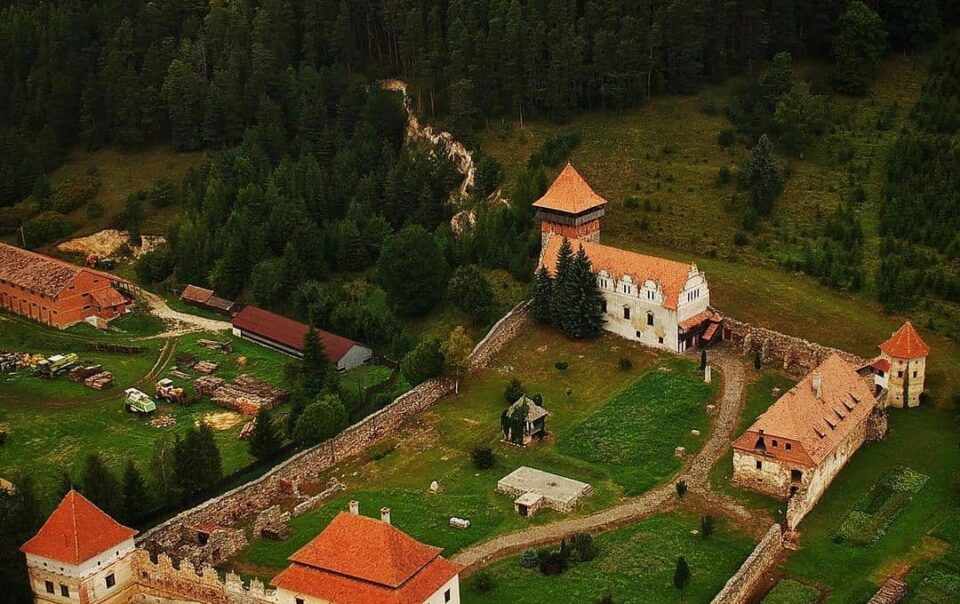
Successive generations of the noble Lázár family were responsible for building this castle. Its imposing stone tower dates back to the 15th century and was intended to act as protection for the housing area. 100 years later, another member of the Lazar Andras, a noble Szeckeler orders the construction of a defense stone wall and watchtower, which was later extended by his successor.
With the threat from the Ottoman power in the 16th century, the castle’s defense features have been strengthened with the addition of bastions, towers and by reinforcing the walls. Various architectural styles can be observed including Gothic, Renaissance, and Romanesque.
The fire from the 1700s stole its initial grandeur and marked the decline of the noble estate. Recent restoration works managed to recover part of the castle, which was turned into a contemporary art museum.
Inspired by Bratislava’s Grassalkovich Palace, the construction of the distinctive Teleki Castle was directed by three different generations of the Teleki family, between 1771 and 1803.
This Transylvanian castle’s simple Baroque style is disrupted by the central pavilion, which draws attention to the arched and oval windows embellished with elaborate Rococo ornaments. Floral motifs dating back to the 19th century decorate the central room of the castle.
Visitors can get lost in the castle’s 52 rooms, which boasts 365 windows, symbolizing the weeks and days of the year.
The eerie surrounding castle park design is influenced by the French and English trends in the 19th century. A short walk through the castle’s gardens reveals 11 admirable statues representing antique deities and satirized human characters.
These enchanting estates evoke legends, historical stories, and fairytales and still have a bewitching power that draws in modern travelers to experience holidays to Transylvania. The imposing structures will allow you to travel back in time while captivating your imagination and guiding you through the rich history of Transilvania.
Explore more attractions and activities available for Transylvania holidays here.
Bethlen Estates
176 Criș, Judetul Mures
Danes-Criș 547201
Transylvania, Romania
booking@bethlenestates.com
+40 767 374 998
booking@bethlenestates.com
176 Cris, Judetul Mures,
Danes-Cris 547201,
Transylvania, Romania
Subscribe to our Newsletter
© Bethlen Estates Transylvania 2024 | Legal Disclosure | Privacy Policy | Terms & Conditions | FAQs